Unsafe sidewalk conditions continue to fuel injury claims in major cities
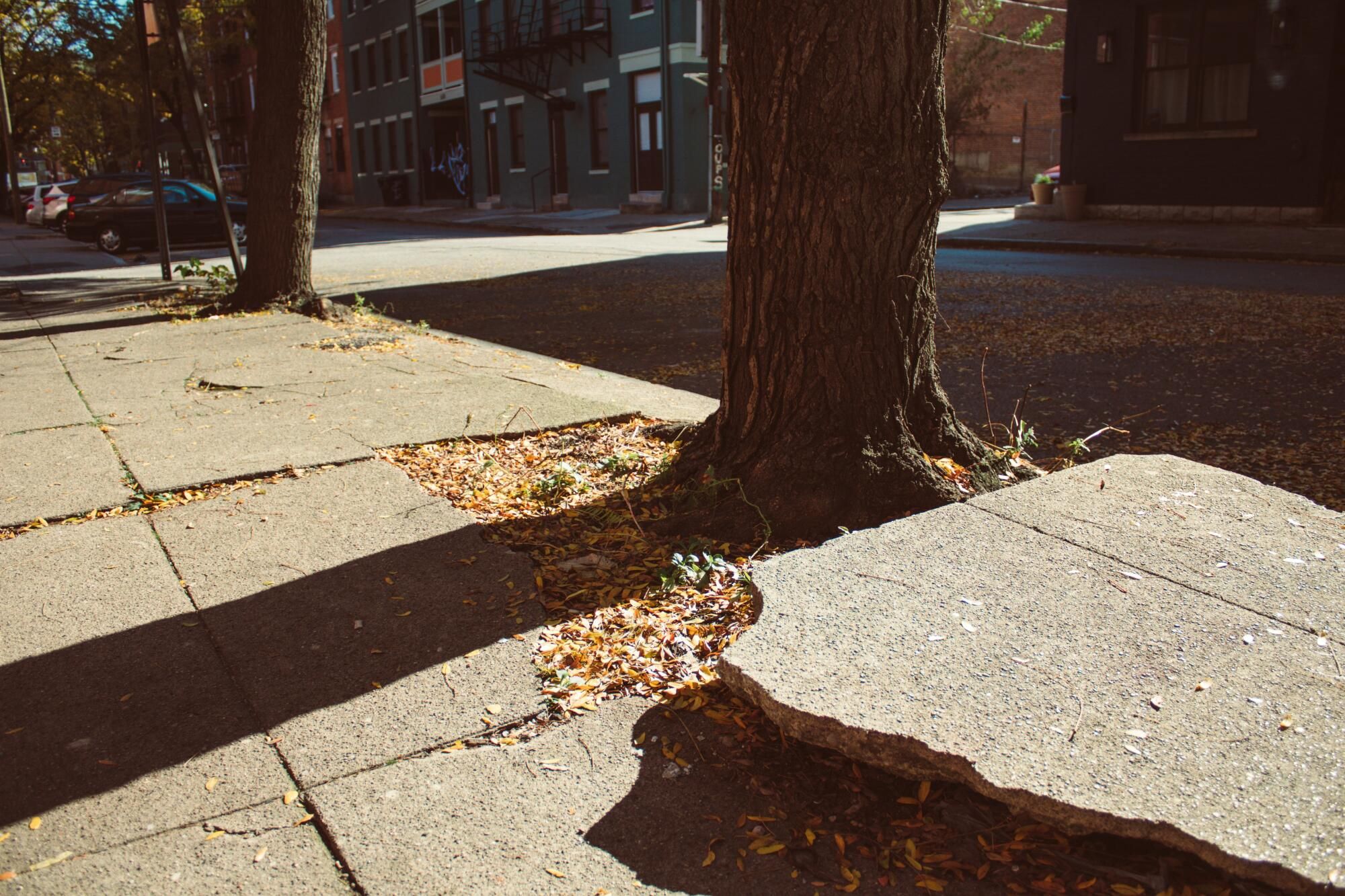
Broken pavement sends far more pedestrians to the hospital than cars do, and cities budget tens of millions a year for it. Who pays for injury claims depends entirely on who owned the slab you fell on.
While being hit by a car as a pedestrian is a common worry, you are much more at risk of being hit by broken pavement.
According to researchers publishing in the Journal of Urban Health, 2019 EMS data recorded 118,520 serious pedestrian falls on streets and sidewalks, against 33,915 pedestrian motor vehicle collisions. Falls on public walkways lead to roughly three and a half times as many people needing an ambulance.
Cities Are Paying Substantial Compensation
According to New York City’s Comptroller’s Annual Claims Report, 2,350 sidewalk personal injury claims were filed against the city in fiscal year 2023, and it paid out $53.5 million to settle them.
These urban safety hazards are difficult to eliminate altogether. New York contains miles of sidewalk, much of it built decades or even centuries ago. Urban infrastructure safety competes with every other line in the budget, so rather than eliminate the risk from cracked slabs, these cities tend to budget for them.
The Responsibility of Property Owners
That doesn’t mean cities like New York enjoy throwing compensation around. That’s why they shifted sidewalk maintenance to property owners under Administrative Code Section 7-210, with an exemption for owner-occupied one, two, and three-family homes.
Not every city is New York City, so if you’re injured elsewhere, you might find city sidewalk regulations are different. In every pedestrian injury case, one of the main questions you need to answer is who is legally responsible. Even if your claim has merit, if you name the wrong defendant, your claim won’t get very far.
Notice Requirements for Injury Claims
Claims against a municipality typically require formal notice. In New York, you get 90 days to report your injury to the city.
In some jurisdictions, there’s also a prior written notice rule, meaning the city can only be liable if it was informed about that particular defect in writing before the injury occurred. Legal compensation claims fail on this point more often than on the facts.
Documenting the Defect
Courts in several states apply a trivial defect doctrine, dismissing cases where the height differential is too small. Take photographs using a ruler for scale, and search for the following records to establish the condition was already apparent.
- 311 complaint histories
- Municipal inspection logs
- Prior claims against the same address
You’ll find that the firm’s injury practice is fast to gather that documentation. Many property owners fix the damage quickly once they realize they might be implicated, so lawyers go to the scene early for photographs and videos.
Who Pays Depends on Who Owns the Slab
For injury claims caused by unsafe sidewalk conditions, it’s often relatively easy to get a payout from the city, particularly if the city already knew about the damage and had done nothing. Large cities budget for these claims, but if the law makes a private owner liable, you might find it harder to get compensation.
In both cases, the clock is ticking to gather evidence, so it makes sense to work with a qualified legal office.
If you’re interested in reading more about entertainment, celebrity, and local news, see our article archives for more.